What Is a Tier 1 Communications Provider? Why It Matters for SA Businesses in 2026
Posted in :

If your business relies on telephone calls — and in South Africa, virtually every business does — the quality, reliability, and cost of those calls is directly determined by who sits between your phone and the exchange. Most South African businesses have never questioned this. They simply receive a bill from a service provider and assume the connection is as good as it gets. It usually is not, and the reason comes down to three words: Tier 1 infrastructure.
Understanding the Three Tiers of Communications Infrastructure
The global telecommunications network is structured in tiers. Each tier describes how closely a provider sits to the actual physical exchange infrastructure.
Tier 1: Direct Infrastructure Ownership
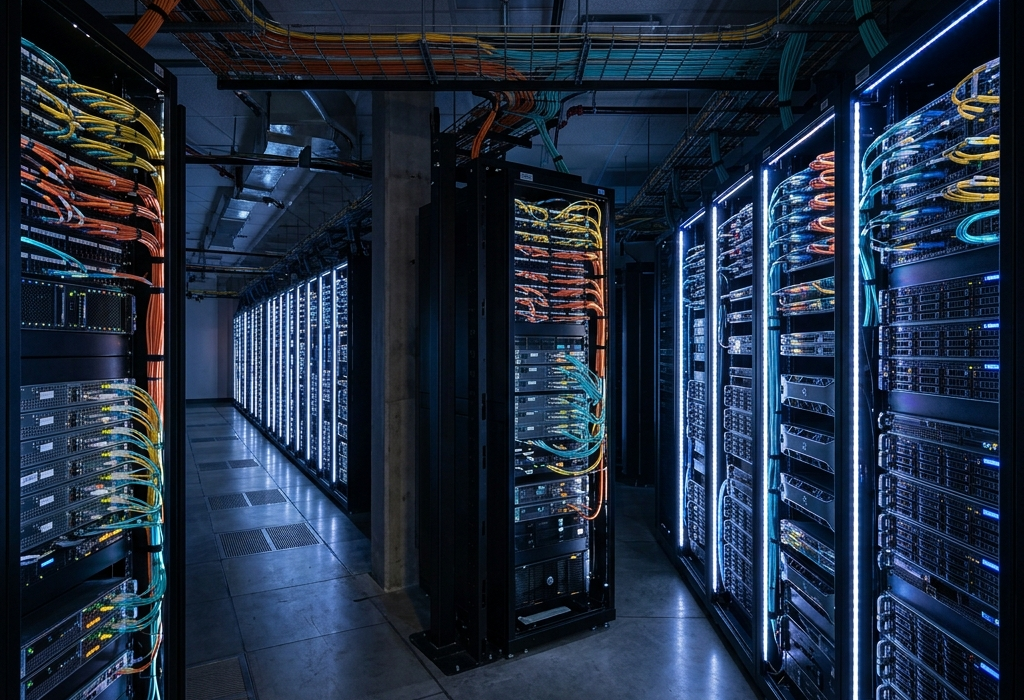
A Tier 1 provider owns and operates its own physical network infrastructure. It connects directly to the exchange — in South Africa, this means facilities like Teraco Data Environments in Johannesburg, which is the country’s primary carrier-neutral interconnection hub. Tier 1 providers do not pay transit fees to anyone. They are the source.
Tier 2: Partial Ownership with Transit Agreements
Tier 2 providers own some infrastructure but peer with Tier 1 providers to complete their network coverage. They pay transit fees for routes they do not own, and those costs are passed to the business customer.
Tier 3: Retail Resellers
Tier 3 providers buy wholesale capacity from Tier 1 and Tier 2 networks and resell it to end customers. They own no infrastructure. Every call you make travels through at least two to three additional hops before reaching the exchange. Each hop adds latency, adds cost, and adds a potential point of failure that the Tier 3 provider cannot control or resolve quickly.
What This Means for Your Voice Quality and Support
When a call drops on a Tier 3 network, the reseller must contact their Tier 2 supplier, who contacts the Tier 1 provider, who investigates the physical fault. This chain can take hours or days to resolve. Your support ticket bounces between three companies that each point fingers at the next. Your business loses revenue and credibility the entire time.
A Tier 1 provider resolves faults directly. There are no handoff emails. The engineer who answers your support call is the same team that physically manages the infrastructure at Teraco. Fault resolution is measured in minutes, not business days.
The Financial Impact of Tier 3 Markup
Tier 3 resellers purchase voice minutes at wholesale rates and sell them at retail with a significant markup. This markup is not transparent — it is built into your per-minute rate, your line rental, and your service fees. By contrast, a Tier 1 provider passes wholesale tariffs directly to the business customer. South African businesses switching from Tier 3 resellers to direct Tier 1 routing routinely report cost reductions of 20 to 40 percent on their monthly voice bill, without any reduction in call quality or reliability.
Why Teraco Is the Standard for Tier 1 Hosting in South Africa
Teraco Data Environments is South Africa’s largest carrier-neutral colocation provider and the primary internet exchange point (IXP) in sub-Saharan Africa. Hosting infrastructure at Teraco means direct peering with all major South African ISPs, mobile networks, and the global internet backbone. Latency is minimised. Redundancy is maximised. For voice traffic, this translates directly into call clarity, call completion rates, and disaster recovery capability.
What to Ask Your Current Provider
If you are evaluating your current communications setup, ask your provider these questions:
- Where is your voice exchange infrastructure physically hosted?
- Do you own your infrastructure or resell from a carrier?
- When there is a fault, who resolves it directly — your team or a third party?
- What is your documented SLA for critical fault resolution?
- Can you provide call quality data from your exchange node?
If the answers are vague, or reference a third-party carrier, you are on a Tier 3 network. You are paying more for less reliability, and you have no direct line of accountability when things go wrong.
Conclusion
Tier 1 communications is not a premium luxury reserved for large enterprises. In 2026, it is the baseline your South African business should expect. Direct exchange routing, wholesale pricing, and single-point accountability are the standard when you choose a Tier 1 provider. AITIVO operates from Teraco Data Environments in Johannesburg, routing your business voice traffic directly to the exchange with no middlemen, no transit markups, and direct support from our Network Operations Centre.